May 22 - International Day for Biological Diversity
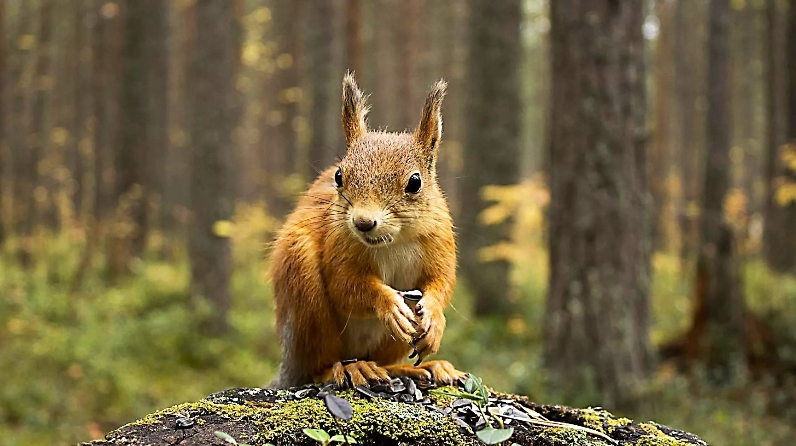
Every year, starting from 2001, the world celebrates the International Day for Biological Diversity on May 22.
The holiday was announced by the UN General Assembly in 1995 in a special resolution (No. A/RES/49/119) based on the recommendation of the Conference of the Parties to the Convention on Biological Diversity, which was held in 1994.
The main task of the International Day for Biological Diversity is to draw public attention to the problem of the irretrievable disappearance on Earth of many representatives of flora and fauna.
The World Conservation Union identifies seven key factors contributing to the loss of biological diversity. This is the loss and fragmentation of the natural environment, competition from invasive species, environmental pollution, global climate change, desertification, population growth and excessive consumption, reckless use of natural resources. Most of these factors are the result of human activities.
One of the ways to fight to preserve the diversity of life on our planet is to protect rare and endangered species of plants and animals, as well as respect for nature.